

Focus | Iris
A deep-rooted scent, aged to perfection

A scent that captures and conjures up other sensations – that muddles your brain, turning touch into smell. Magic made real.
Literally. It’s called synesthetic perception - when a particular smell invokes a simultaneous perception of touch or texture.
Iris tricks your brain, that tells your nose that it smells powder, hence the description most people attribute to Iris – usually a powdery smell.
So, iris - the flower itself - is not used for the making of essential oils (EO). The root, or rhizome (looks like a ginger root, as seen below), is where we get the iris note.
Slowly – I mean glacier speed – the iris root or orris is dried, oil is extracted from the dried orris root, and other processes that aim to concentrate or dilute, purify or re-calibrate the orris extract. From the oil, comes the happily named “orris butter” –the result of the solidification of the oil.
These oils contain various compounds but were going to focus on one: ionone’s.
They are responsible for the scent associated with iris, as well as many other flowery scents and sweet things – that differs according to the different molecules employed in a fragrance.
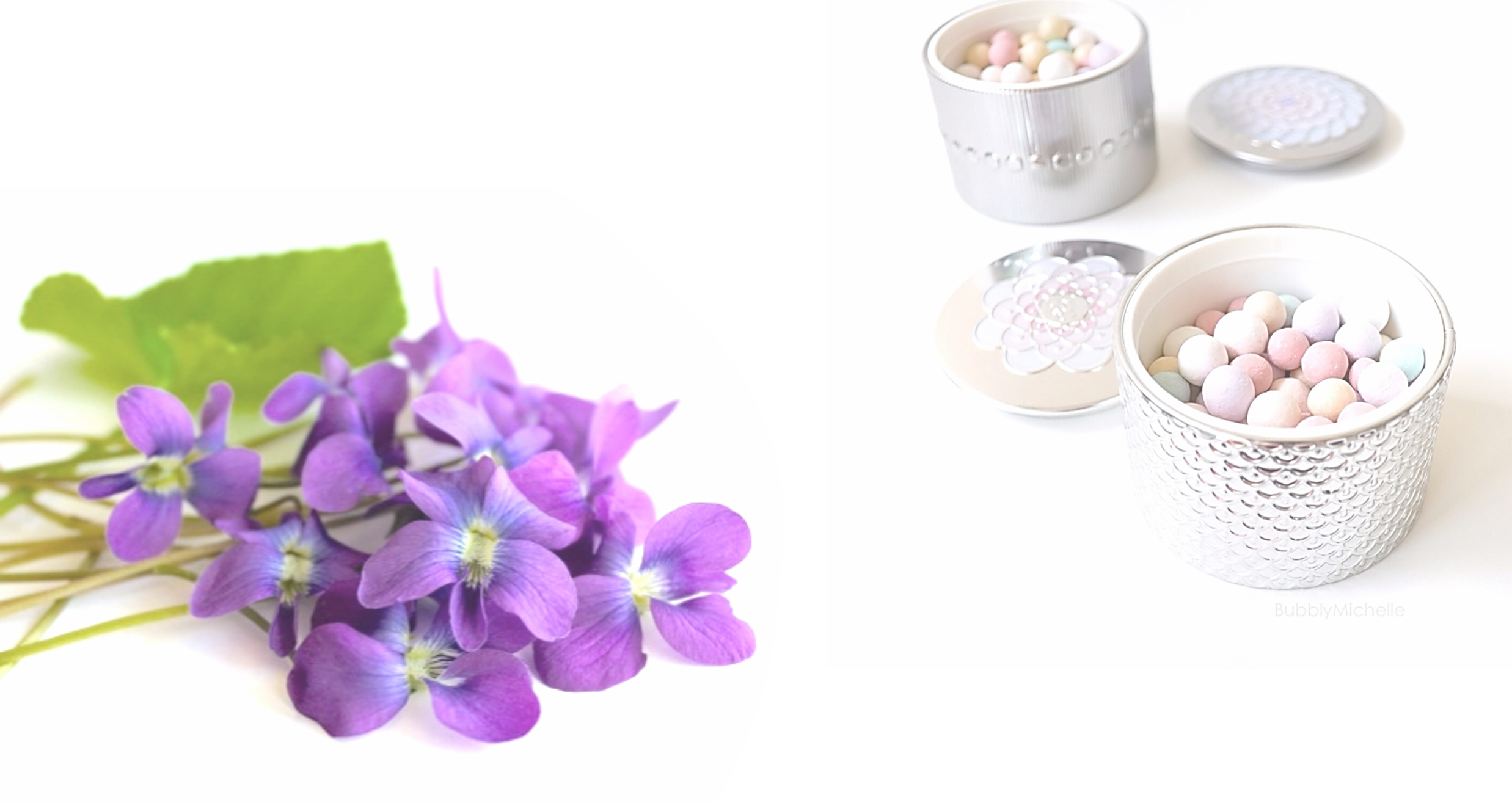
Irone, a molecule found in Ionone’s, is the actual culprit for the powdery or velvet feel that the iris scents magically awaken in the brain. Because it smells like violets.
This violet connection is the actual reason we associate iris with powdery things (organoleptic properties). If I say baby powder, most of you can recall in your head the corresponding scent memory. Can you recall how your grandmother’s powder makeup smelled like?
What if I told you, most of these products , from as early as the Victorian era, were scented with violet?
And that my darlings, is why we associate “powdery” with a scent – because our nose brain remembers and associates scents with our specific memory’s - that is also why it is said that smelling is not a stable activity, because it cannot be experienced in the exact same manner by two different people, or even the same person on a different day.
Our olfactory system consists of odor receptors in the nose that detect specific odor molecules. The ionone has an affinity for certain receptors in the nose that are particularly sensitive to it.
The activation of these receptors, combined with the molecular structure of the ionone, creates the perception of the smell of violets. That is what triggers your olfactive library and gets out the file that has stored scent like events, returning memories of talc powders and grown-up makeup.
Currently, ionones (discovered in 1893 by Tiemann and Krüger) along with their “cousins” (such as irones, damascones, Iso E Super) are incorporated into almost every fragrance. And that is why powdery - the texture - graduated to a scent.
Now, take a glimpse at the world of extracting this gem from its unsuspecting and funky looking root to a buttery coconut oil type substance. It’s a bit of marathon, but I’ve tried to keep it simple.
The extraction of essential oil from orris root is typically done through steam distillation or solvent extraction. Both methods involve a series of steps, including drying and aging the rhizomes, to enhance the development of the desired fragrance. But this is the “easy” part.
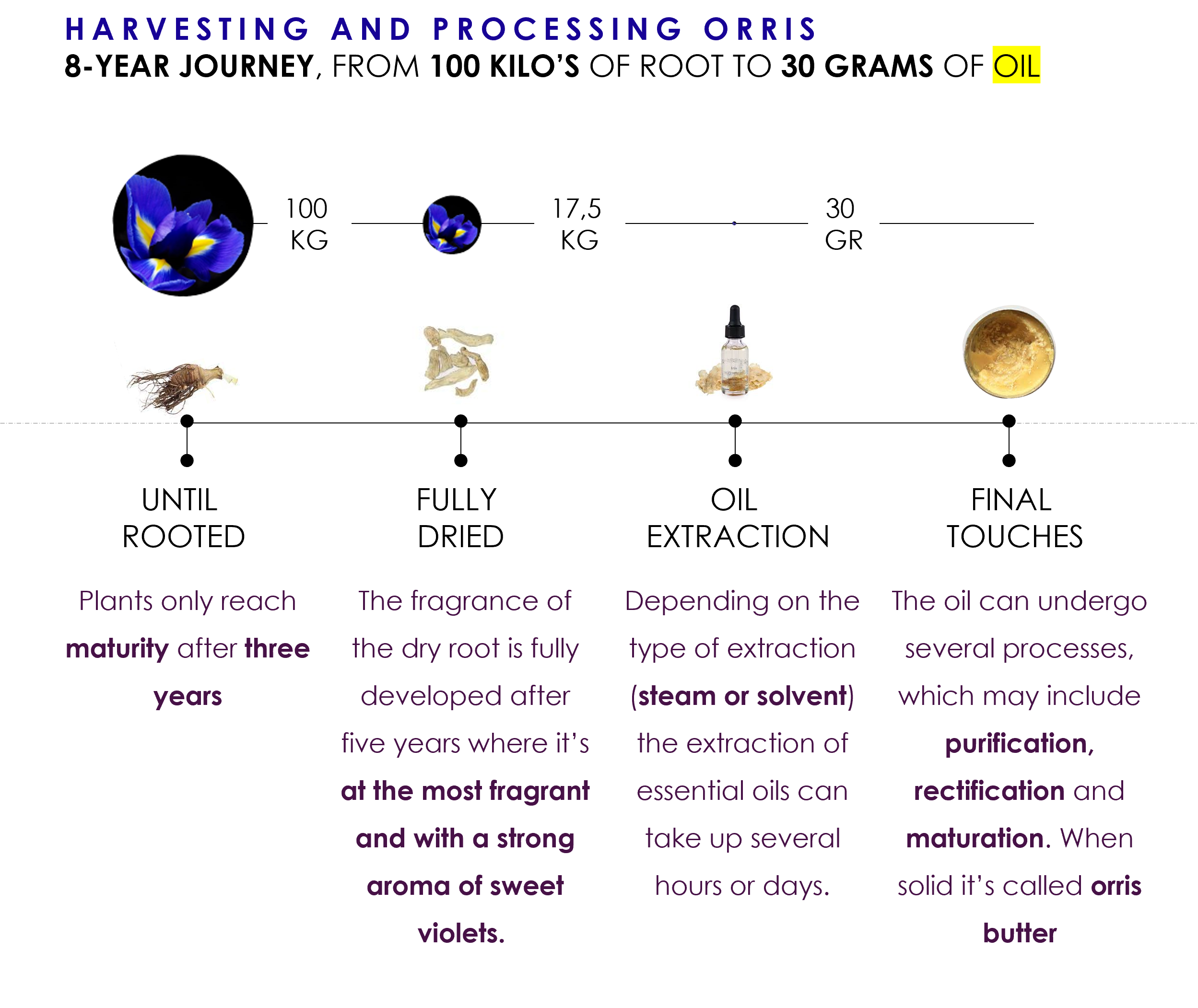
8 years – on average. That’s the commitment your getting, to ensure you get the best smelling iris.
So next time you call that outdated old smell, slap yourself in the face. You are the one attributing a bigoted memory to the smell. And also, go apologize to your grandmother.
Irises have a long-recorded history and significance. There is a historical link between fragrant things and, either medicine, or religious customs.
Let us snoop around the past of Iris.
RICH SCENT, RICHER HISTORY
One of the first ever record for Iris, goes back as far as ancient Egypt, specifically the Ebers Papyrus, a medical text dating back to around 1500 BCE, containing recipes for various medicinal and cosmetic preparations, including fragrances.
Ancient civilizations, such as the Egyptians, Greeks, and Romans, believed that the use of fragrances could invoke the favor of deities, and were often used in religious ceremonies and rituals – giving a new meaning to the “Oh My God - you smell soooo good!”.
You spray that fragrance, you wondrous deities.
Ever since the dawn of humans, social constructs and class differentiation, either way you cut it, has been a constant. In every age there has been unspoken brackets that separate the social structure. These brackets shift according to the contemporary significance.
When food was scarce, being full figured was all the rage, and reserved for upper bracket society.
Having the time and money to go to the gym, today means that buff and lean is an upper bracket.
These distinctions are also true with perfumes in general and certain scents – as iris. The harder to get, the better.
At this point, as you can imagine - an essential oil that has on average a time frame of 8- labor intensive-years, to obtain on average 30 grams of EO from 100 kg of raw material - can get very expensive.
Of course, a little goes a long way. Since the 19th century, many alternatives in the synthetic arena have become available, although many fragrances still include both approaches. Some of them even include the reference to orris butter as a quality distinction in a fragrance.
The pricier the scent, the richer the history. Here are a few snippets for your general culture pleasure.
Dioscorides, a Greek physician of the second century - considered the father of pharmacology - writes in his Materia Medica, that the various colored Iris flowers, were named Iris from the rainbow, of course related to the Goddess Iris.
As a perfume, Iris oil was mentioned in the third century, among the costly spices of the Egyptian King, Ptolemaeus Philadelphus.
It was used as a chest remedy and served as a plaster preparation, often mixed with honey.
According to records of Edward IV, it was referred as a favorite Eau de Toilet perfume for his linen’s - prepared by mixing orris root with anise.
To this day, we see the inclusion of the iris symbol in various coats of arms, crest symbols of cities (like Florence and Brussels), monarchy or royal houses (House of Bourbon), and in Japanese “mon” (family crests).
The fleur-de-lis, a stylized iris flower, has been a prominent symbol used in various historical contexts.
RAINBOWS AND UNICORNS
In contemporary perfumery, iris continues to play a significant and versatile role, contributing to a wide range of fragrances.
The iris note is valued for its complex and sophisticated olfactory profile, offering a delicate yet distinctive aroma.
The market for floral scents is and has been the lion’s share of the perfumes produced in the world. It's estimated that about 25% of all perfumes / after shaves are in the floral profile. A close second Is the fresh profile with 24%.
But this is a profile – if we look at what perfumes include some type of ionones, the percentage is more than likely to triple to upwards of 70%. And that does not mean it all smells like irises or violets.
These molecules, have a laundry list of associated odor descriptions, from woody, to fruity, flowery, metallic, camphoraceous, powdery, and so on…It is everywhere, doing everything. Thanks to iris and its ionones, the world of scent profiles is ever expanding.
The discovery of ionones, trough the synthetization of the orris root essential oil, while trying to create a viable substitute for violet essence, has been one of the key factors for the development and enrichment of the world’s scent library.
A beautiful flower, with a humble looking root, that has as many facets as does as the rainbow it was named after.
LET’S GET ROOTY WITH SOME RHIZOMES
1. Naked Dance by .Oddity
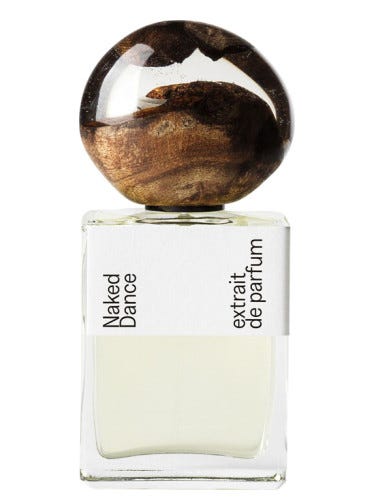
FLORAL WOODY | Top notes are Green Tea, Bergamot and Orange Blossom; middle notes are Iris, Clay, Rice, Lily and Turkish Rose; base notes are White Musk, Sandalwood, Olibanum, Benzoin, Guaiac Wood and Vetiver.
2. Iris Malikhân by Maison Crivelli
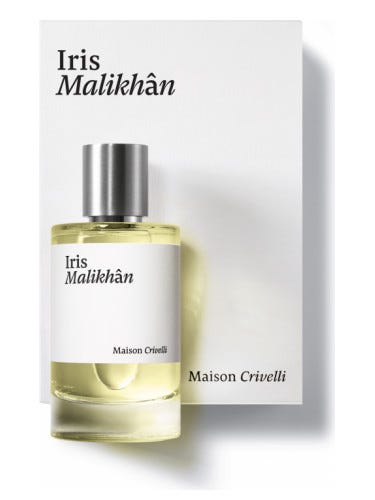
AROMATIC | The notes are Iris, Vanilla, Leather, Galbanum, Mastic of Lentisque, Amber, Cypress, Mimosa, Cinnamon, Pink Pepper, Coriander and Blackcurrant syrup.
3. Iris Poudre by Frederic Malle
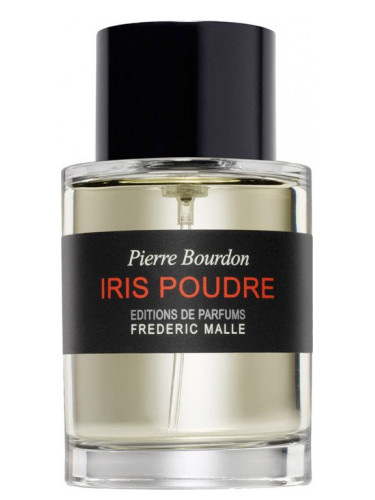
FLORAL POWDERY | The notes are Ylang-Ylang, Carnation, Palisander Rosewood, Bergamot and Orange; Aldehydes, Violet, Lily, Jasmine, Rose and Magnolia; Iris, Musk, Sandalwood, Vetiver, Vanilla, Amber and ebony tree.
4. Sticky Fingers Francesca Bianchi
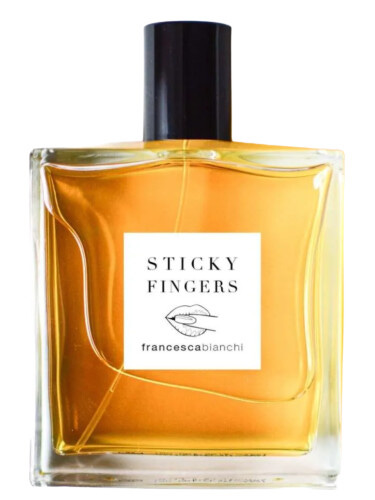
LEATHER | The notes are Coriander, cinnamon, iris butter, patchouli, sandalwood, heliotrope, musk, castoreum, leather, tobacco and tonka bean.
5. Hard Techno Miguel Matos
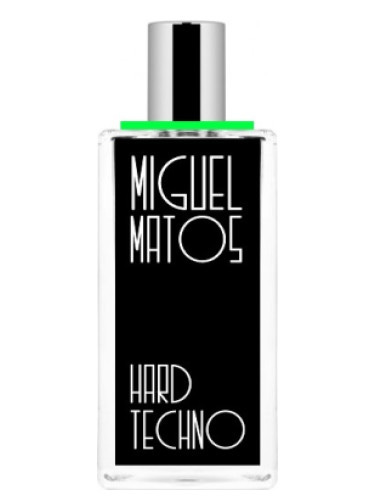
AROMATIC WOODY | The notes are iris, cumin, vanilla, musk, sandalwood and woodsy notes.
These are my most beloved iris forward scents, but there are a lot out there to choose from, just take your pick!
Smell you later.
Oriana